
Software has become an essential part of modern digital activities, helping users complete tasks faster and manage information efficiently. However, like any digital application, software can sometimes experience errors, performance issues, installation failures, or unexpected interruptions. When users face these challenges, identifying the actual cause is the first step toward finding the right solution.
The Problem on llekomiss software can occur due to several common reasons, including outdated software versions, incorrect installation processes, system compatibility issues, configuration errors, or insufficient device resources. Understanding these causes helps users troubleshoot problems more effectively instead of trying random solutions.
What Is llekomiss Software?
When users search for Problem on llekomiss software, they are usually looking for solutions to software-related difficulties that affect normal usage. Since software applications depend on different system environments, problems can happen because of device settings, installation conditions, updates, or user configurations.
Like other software solutions, proper maintenance and correct usage practices play an important role in keeping an application stable. Regular updates, secure installation methods, and suitable system conditions can reduce the chances of technical problems.
Understanding how software works and what factors influence performance makes it easier to identify possible issues. Instead of focusing only on the error itself, users should examine the surrounding conditions that may have caused the problem.
Key Features of llekomiss Software
The exact features of llekomiss software depend on the specific application or environment associated with the term. In general, software applications are designed to provide digital tools that help users complete specific tasks more efficiently.
Most software platforms include functions related to managing information, processing tasks, improving workflow, or supporting user activities. The performance of these functions depends on proper installation, system compatibility, and regular maintenance.
Users should always check available documentation or official information sources for accurate details about any specific software version they use.
Who Uses llekomiss Software?
Software applications are commonly used by individuals, businesses, and organizations depending on their purpose and requirements. Different users may experience different problems because each device has unique settings, hardware, and operating conditions.
A beginner user may face problems due to incorrect settings or unfamiliar features, while advanced users may encounter issues related to configuration or integration. Understanding the user’s environment is important when diagnosing software problems.
Proper user knowledge and correct software handling can significantly reduce unnecessary errors and improve overall performance.
Common Use Cases
Software applications are generally used to simplify tasks, organize information, automate processes, and improve productivity. The way users interact with software can influence its performance and reliability.
Problems may occur when software is installed incorrectly, system resources become limited, or important updates are ignored. Identifying the main purpose and usage pattern of the software can help users choose the correct troubleshooting approach.
Why Do Problems Occur on llekomiss Software?
The Problem on llekomiss software may happen because of different technical and environmental factors. Software does not work independently; it depends on the operating system, hardware resources, network connection, and user settings.
Sometimes, a small issue such as an outdated version or incorrect configuration can create larger problems during normal use. Finding the root cause helps users apply the correct solution instead of repeatedly facing the same error.
Most software problems can be reduced through proper installation, regular updates, and good maintenance practices.
Outdated Software Version
Using an outdated software version is one of the most common reasons behind performance and compatibility problems. Developers regularly release updates to improve stability, fix known bugs, and enhance security.
When users continue using older versions, they may experience errors because the software may not work properly with newer operating systems or other applications.
Updating software regularly helps maintain better performance and reduces the possibility of encountering avoidable problems.
Incorrect Installation
Incorrect installation can prevent software from working properly. Problems may occur when installation files are incomplete, permissions are restricted, or the setup process is interrupted.
A damaged installation may result in missing features, startup failures, or unexpected errors during operation.
To avoid installation-related problems, users should follow proper installation instructions and make sure their device meets basic requirements.
System Compatibility Issues
Software requires a suitable environment to operate correctly. Compatibility issues can happen when the operating system, hardware, or system settings do not support the application properly.
Older devices with limited resources may experience slow performance or frequent errors when running software that requires more capacity.
Checking compatibility before installation helps users avoid many common software-related difficulties.
Corrupted Program Files
Software files can become damaged because of incomplete updates, unexpected shutdowns, system errors, or storage problems. Corrupted files may cause applications to crash, freeze, or fail to start.
Repairing the installation or reinstalling the software can often replace damaged files and restore normal operation. Maintaining proper system health and avoiding forced shutdowns can help reduce the risk of file corruption.
Network or Internet Connectivity Problems
Many software applications depend on internet connectivity for features such as updates, account access, synchronization, or online services. A weak or unstable connection can interrupt these functions.
Network-related problems may appear as login failures, update errors, or synchronization issues. Checking internet stability and resolving network problems can help restore normal software performance.
Incorrect Software Configuration
Software settings control how applications operate on a device. Incorrect configurations can create unexpected behavior and reduce performance.
Changes in permissions, preferences, or advanced settings may sometimes cause conflicts with normal operations. Reviewing settings and restoring recommended configurations can help solve problems caused by incorrect adjustments.
Common Problems on llekomiss Software
Users searching for Problem on llekomiss software often want solutions for common technical problems that prevent software from working normally. These issues may appear during installation, login, updates, or regular usage.
Recognizing the type of problem is important because each issue requires a different troubleshooting method. Understanding common problems helps users respond quickly and effectively.
How to Fix Common Problem on llekomiss Software
Fixing a Problem on llekomiss software requires a systematic approach to identify the cause and apply the right solution. Many software issues can be solved with basic troubleshooting steps before seeking professional help. Starting with simple solutions can save time and prevent unnecessary changes to the system.
Users should first understand what type of problem they are facing, whether it is related to installation, performance, updates, login, or system compatibility. Once the cause is identified, applying the correct troubleshooting method becomes much easier.
Restart the Software and Device
Restarting the software and the device is one of the easiest ways to resolve temporary problems. Sometimes, background processes, memory issues, or temporary system errors can prevent software from working correctly.
Closing the application completely and restarting the computer or device can refresh system resources. This simple step can often fix minor errors without requiring advanced technical solutions.
Update to the Latest Version
Keeping software updated is an important step for maintaining performance and stability. Software updates often include improvements, bug fixes, and security enhancements that help prevent common issues.
If users experience a Problem on llekomiss software, checking for available updates should be one of the first troubleshooting steps. Running an outdated version may create compatibility problems and reduce reliability.
Check Your Internet Connection
A stable internet connection is necessary for software that requires online access, account verification, updates, or data synchronization. Connection problems can interrupt normal software functions and create unexpected errors.
Users should check their network connection and confirm that the software has proper access to online services. Restarting network equipment or reconnecting to the internet may help resolve connection-related problems.
Verify System Requirements
Every software application requires certain system conditions to operate properly. If a device does not have enough processing power, storage space, or a compatible operating system, performance problems may occur.
Users should review the available system environment and ensure that their device can support the software. Meeting the required conditions helps prevent crashes, slow performance, and installation failures.
Repair or Reinstall the Software
Damaged or missing files can prevent software from working correctly. Repairing the application or performing a fresh installation can replace problematic files and restore normal operation.
Before reinstalling, users should remove the existing installation properly and follow the recommended setup process. A clean installation can often solve persistent software problems.
Clear Cache and Temporary Files
Temporary files and stored cache data can sometimes affect software performance. When these files become outdated or corrupted, applications may respond slowly or display unexpected errors.
Clearing unnecessary temporary files can improve system performance and free up storage space. Users should use safe cleaning methods to avoid removing important data.
Restore Default Settings
Incorrect settings can cause software behavior that users do not expect. Changes made to preferences, permissions, or configurations may interfere with normal application functions.
Restoring default settings can help remove configuration-related problems. Users should review their settings carefully and avoid unnecessary changes to advanced options.
Contact Technical Support
Some software problems cannot be solved through basic troubleshooting methods. When common solutions fail, technical support can provide additional guidance and help identify more complex issues.
Users should provide detailed information about the problem, including error messages and troubleshooting steps already attempted. Clear information allows support teams to diagnose problems more effectively.
Quick Troubleshooting Checklist
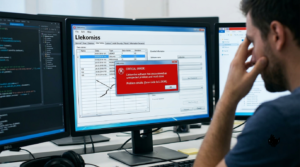
A quick troubleshooting checklist helps users identify and fix common software problems faster. Before applying advanced solutions, users should complete basic checks that may resolve simple issues.
Following a step-by-step process makes it easier to understand the cause of a Problem on llekomiss software. These basic checks can reduce downtime and improve the overall troubleshooting experience.
Confirm the Latest Software Version
Using the latest software version helps users access improvements and bug fixes. Older versions may contain unresolved problems that affect performance or compatibility.
Users should regularly check for updates and install them through reliable sources. Keeping software current is one of the easiest ways to maintain stability.
Restart Your Computer
Restarting a computer clears temporary system issues and refreshes available resources. Many minor software problems happen because of temporary conflicts between applications and system processes.
A simple restart can restore normal performance in many situations. Users should try this step before making major changes to software settings.
Check Available Storage Space
Insufficient storage space can affect software installation, updates, and normal operation. Applications need enough space to create temporary files and complete required processes.
Users should regularly remove unnecessary files and maintain enough free storage. Proper storage management supports better software performance.
Disable Conflicting Applications
Some applications may interfere with each other when running at the same time. Background programs can consume system resources or create compatibility conflicts.
Closing unnecessary applications can improve performance and reduce software interruptions. Users should identify programs that may affect normal software operation.
Scan for Malware or Viruses
Security threats can negatively affect software performance and system stability. Malware may damage files, slow down processes, or interfere with application functions.
Using trusted security tools to scan the device can help identify possible threats. Maintaining good security practices protects both software and important data.
Read more: Betterthisworld Business Ideas 2026: Profitable Ways to Start & Grow
Tips to Prevent Future Problems
Preventing a Problem on llekomiss software is better than repeatedly fixing errors after they occur. Regular maintenance and responsible software usage can reduce the chances of facing technical difficulties.
Users can improve software reliability by keeping applications updated, protecting important data, and maintaining a healthy device environment. Good habits help ensure smoother long-term performance.
Keep the Software Updated
Regular updates help improve software performance and fix known issues. Developers release updates to improve compatibility, security, and overall reliability.
Users should install updates when they become available and avoid using outdated versions for extended periods. Updated software usually provides a more stable experience.
Back Up Your Data Regularly
Regular backups help protect important information from unexpected software failures or system problems. If an issue occurs, backups make it easier to recover valuable data.
Users should create backups regularly and store them in a secure location. A proper backup strategy reduces the risk of permanent data loss.
Use Compatible Hardware and Operating Systems
Using compatible hardware and operating systems helps software function properly. Devices that do not meet software requirements may experience slow performance or unexpected errors.
Before installing software, users should check compatibility information. A suitable system environment improves reliability and reduces technical problems.
Install Updates from Trusted Sources
Installing software updates from unreliable sources can create security risks and additional problems. Unauthorized files may contain harmful content or incorrect versions.
Users should always download updates from trusted or official sources. Safe update practices protect software integrity and system security.
Monitor System Performance
Monitoring system performance helps users identify problems before they become serious. Slow response times, frequent errors, or unusual behavior may indicate underlying issues.
Regular maintenance, such as managing storage and reviewing installed applications, can help maintain better performance.
Best Practices for Using llekomiss Software
Following proper usage practices can help users reduce the chances of facing a Problem on llekomiss software. Good software management habits improve performance, prevent unnecessary errors, and create a more reliable user experience.
Users should understand basic software functions, avoid risky changes, and maintain regular system care. Responsible usage helps keep software stable and reduces the need for frequent troubleshooting.
Follow the Official User Guide
User guides and documentation provide important instructions about installation, settings, and proper software usage. Following recommended instructions helps users avoid mistakes that may lead to technical issues.
Reading available guidance before making changes can save time and prevent configuration problems. Users should refer to trusted documentation whenever they need help understanding software functions.
Review Settings Regularly
Software settings can affect performance, security, and overall functionality. Incorrect changes to preferences or configurations may create problems during regular use.
Users should review important settings periodically and ensure they match their requirements. Keeping configurations organized can help prevent unexpected software behavior.
Avoid Unauthorized Modifications
Changing software files, removing important components, or modifying advanced settings without proper knowledge can create errors. Unnecessary modifications may affect software stability and security.
Users should avoid making changes that are not recommended by reliable sources. Keeping software in its intended configuration usually provides better performance and fewer problems.
Train Users on Proper Usage
When multiple people use the same software, proper training can reduce user-related mistakes. Understanding basic features and correct procedures helps users avoid unnecessary errors.
Organizations and teams should provide clear instructions when required. Better user knowledge leads to improved efficiency and fewer technical problems.
When Should You Contact Technical Support?
Not every Problem on llekomiss software can be solved through basic troubleshooting. Some issues may require professional assistance, especially when they involve complex errors, account problems, or important data.
Knowing when to ask for help prevents users from making changes that could create additional problems. Technical support can provide expert guidance when standard solutions do not work.
Persistent Errors After Troubleshooting
If a software problem continues after restarting, updating, or reinstalling the application, it may require further investigation. Repeated errors can indicate deeper technical problems.
Users should record error messages and explain what steps they have already tried. Providing detailed information helps support teams understand the issue faster.
Account or License Issues
Account-related problems may prevent users from accessing software features or services. These issues may involve login problems, verification requirements, or access restrictions.
Users should contact support when they cannot resolve account issues themselves. Providing accurate account details can help speed up the troubleshooting process.
Data Recovery Concerns
Data-related problems can be serious because important files or information may be affected. Attempting random fixes without understanding the cause may increase the risk of further complications.
Users should seek professional assistance when dealing with important data recovery situations. Maintaining regular backups is also an effective way to reduce data risks.
Critical System Failures
Major software failures that stop important activities may require immediate technical assistance. These problems can involve serious conflicts, damaged files, or system-level issues.
Users should avoid making unnecessary changes during critical failures. Professional support can help identify the cause and restore normal operation safely.
Final Thoughts
The Problem on llekomiss software can occur because of many different reasons, including outdated versions, incorrect installation, compatibility problems, configuration errors, and system limitations. Understanding the cause of the issue is the first step toward finding the right solution.
Most common software problems can be resolved by following basic troubleshooting methods, such as restarting the application, checking updates, verifying system conditions, and maintaining proper settings. Regular maintenance also helps prevent many problems before they affect daily work.
FAQs About Problem on llekomiss Software
Why is llekomiss software not working?
The Problem on llekomiss software may occur due to outdated versions, incorrect settings, installation issues, or system compatibility problems. Users can try restarting the software, checking updates, and reviewing system settings to resolve common errors.
How do I fix installation errors?
Installation errors can happen because of missing files, insufficient storage, or interrupted setup processes. Checking system requirements and reinstalling the software correctly can often solve these problems.
What causes llekomiss software to crash?
Software crashes may occur due to corrupted files, outdated versions, low system resources, or conflicts with other applications. Updating the software and closing unnecessary programs can help improve stability.
How can I improve software performance?
Software performance can be improved by keeping the application updated, managing storage space, and removing unnecessary files. Regular system maintenance and closing unused background applications can help the software run smoothly.
How do I update llekomiss software?
Users should update llekomiss software through trusted sources or available update options to maintain better performance. Installing the latest version can help fix bugs, improve compatibility, and enhance stability.
Can I recover lost data after a software issue?
Data recovery depends on the cause of the problem and whether a backup is available. Regular backups provide the best protection against unexpected data loss caused by software issues.