
Creating a beautiful home doesn’t always require a large budget or professional interior designers. With a little creativity, patience, and planning, anyone can transform their living space through diy home decor. Whether you live in a small apartment, a family home, or a rented space, DIY decorating projects allow you to personalize your surroundings while saving money.
The popularity has grown significantly in recent years. Homeowners and renters alike enjoy the freedom to create unique decorations, customize furniture, and add personal touches that reflect their style. From simple wall art to furniture makeovers, DIY projects can dramatically improve the look and feel of a room.
What Is DIY Home Decor?
DIY stands for “Do It Yourself.” In home decorating, it refers to creating, modifying, or improving decorative elements without hiring professionals. It can include painting furniture, crafting wall art, building shelves, repurposing old items, or creating handmade accessories.
Unlike traditional decorating, DIY projects allow complete control over design choices, materials, and budget. This flexibility makes it a popular option for people who want a customized home environment.
Why DIY Home Decor Is So Popular
There are several reasons why people enjoy decorating their homes through DIY projects:
- Lower costs compared to professional renovations
- Endless opportunities for creativity
- Ability to personalize every room
- Satisfaction of creating something with your own hands
- Environmentally friendly options through upcycling
Many homeowners find that not only improves their living space but also becomes an enjoyable hobby.
Benefits for Beginners
If you’re just getting started, DIY decorating offers several advantages:
- Easy projects require minimal experience
- Many materials are affordable and accessible
- Mistakes can often be corrected easily
- Skills improve over time with practice
- Projects can be completed at your own pace
Even small decorative changes can make a significant difference in how your home looks and feels.
Getting Started with DIY Home Decor
Before beginning any project, take a close look at your home. Identify areas that feel outdated, empty, or cluttered. Ask yourself questions such as:
- Which room needs the most improvement?
- What style do I want to achieve?
- What functions should the room serve?
- What is my available budget?
Having clear goals will help you choose projects that create the biggest impact.
Create a Budget
One of the greatest advantages of it is affordability. However, costs can still add up if you don’t plan carefully.
Start by determining:
- Total project budget
- Material costs
- Tool expenses
- Decorative accessories
- Unexpected costs
Creating a budget helps you prioritize projects and avoid overspending.
Find Inspiration
Save images that appeal to you and look for common themes in colors, textures, and furniture styles.
Choose a Decorating Style: Selecting a style makes decorating decisions easier. Popular options include:
Modern Style: Clean lines, neutral colors, and minimal clutter.
Farmhouse Style: Rustic wood, cozy textures, and vintage accents.
Bohemian Style: Colorful textiles, layered decor, and artistic elements.
Industrial Style: Metal accents, exposed materials, and urban-inspired designs.
Essential Tools and Supplies for Beginners
You don’t need an extensive workshop to begin decorating. A few basic tools can handle most beginner projects.
| Tool | Purpose | Beginner-Friendly |
| Measuring Tape | Accurate measurements | Yes |
| Hammer | Hanging and assembly | Yes |
| Screwdriver Set | Furniture and fixtures | Yes |
| Utility Knife | Cutting materials | Yes |
| Paint Brushes | Painting projects | Yes |
| Level | Straight installation | Yes |
| Glue Gun | Craft projects | Yes |
Basic Decorative Materials
Many DIY projects use affordable materials such as:
- Paint
- Wood boards
- Fabric
- Decorative paper
- Adhesives
- Picture frames
- Rope and twine
- Mason jars
These versatile supplies can be used across multiple decorating projects.
Safety Considerations
Always prioritize safety when working on home projects.
- Wear protective eyewear when necessary
- Work in a ventilated area while painting
- Follow manufacturer instructions
- Keep tools organized
- Use ladders carefully
Safe habits make DIY projects more enjoyable and reduce the risk of accidents.
Easy DIY Home Decor Projects for Beginners
A gallery wall is one of the simplest ways to personalize a room.
Start by gathering:
- Family photos
- Artwork
- Inspirational quotes
- Decorative prints
Arrange them on the floor before hanging to visualize the final layout. This project adds personality and creates a focal point in any room.
Make Decorative Throw Pillows
Throw pillows instantly refresh living rooms and bedrooms.
You can:
- Sew custom pillow covers
- Use fabric paint
- Add decorative trims
- Mix patterns and textures
This beginner-friendly project requires minimal tools and offers endless design possibilities.
DIY Wall Art
Wall art doesn’t need to be expensive.
Popular ideas include:
- Painted canvases
- Framed fabric pieces
- Wooden signs
- Printable artwork
- Abstract paintings
Creating your own wall art is an excellent introduction to diy home decor and allows complete creative freedom.
Refresh Old Furniture
Instead of replacing furniture, consider updating it.
Simple improvements include:
- Repainting surfaces
- Replacing hardware
- Adding decorative stencils
- Applying peel-and-stick wallpaper
Furniture makeovers can dramatically change a room while staying within budget.
Decorate with Plants
Plants add life, color, and texture to indoor spaces.
Easy DIY plant projects include:
- Painted plant pots
- Hanging planters
- Wooden plant stands
- Vertical garden displays
Combining greenery creates a welcoming and natural atmosphere.
DIY Home Decor Ideas for Every Room
Living Room Projects
The living room often serves as the main gathering space.
Ideas include:
- Custom coffee table decor
- Handmade wall art
- Decorative shelves
- Accent wall designs
- Upcycled furniture pieces
Small improvements can make the room feel more inviting and stylish.
Bedroom Projects
Your bedroom should feel relaxing and personal.
Consider:
- DIY headboards
- Personalized photo walls
- Decorative lighting
- Handmade bedside decor
- Storage solutions
These projects improve both appearance and functionality.
Kitchen Projects
Kitchens benefit from practical and decorative upgrades.
Popular ideas include:
- Mason jar storage systems
- Decorative open shelving
- Chalkboard menu boards
- Customized containers
- Herb garden displays
These additions combine organization with visual appeal.
Bathroom Projects
Bathrooms are often overlooked when decorating.
Easy improvements include:
- Floating shelves
- Decorative mirrors
- Storage baskets
- Customized towel holders
- Wall-mounted organizers
Even small changes can make a bathroom feel more luxurious.
Entryway Projects
First impressions matter.
Enhance your entryway with:
- Welcome signs
- Key organizers
- Decorative benches
- Wall hooks
- Storage solutions
A well-designed entryway creates a warm welcome for guests.
Budget-Friendly DIY Home Decor Tips
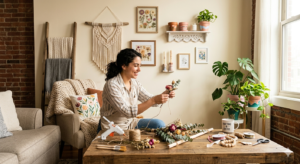
One of the biggest reasons people love it is the ability to create beautiful spaces without spending a fortune. A stylish home does not require expensive furniture or luxury decorations. With thoughtful planning and creativity, you can achieve impressive results on a budget.
Repurpose Items You Already Own
Before purchasing new materials, take a look around your home. Many everyday items can be transformed into decorative pieces.
For example:
- Old wooden crates can become storage shelves.
- Mason jars can serve as candle holders or flower vases.
- Unused picture frames can be repainted and reused.
- Wooden pallets can be converted into furniture or wall decor.
Repurposing existing items not only saves money but also reduces waste, making your decorating efforts more sustainable.
Shop Smart for Materials
When buying supplies, look for affordable options instead of paying full retail prices.
Consider:
- Thrift stores
- Flea markets
- Yard sales
- Clearance sections
- Online marketplaces
Many DIY enthusiasts find unique pieces at a fraction of the cost of new products. These items often become the foundation for creative decorating projects.
Focus on High-Impact Changes
Some upgrades make a significant visual difference without requiring a large investment.
Examples include:
- Painting walls
- Updating cabinet hardware
- Adding decorative pillows
- Changing light fixtures
- Installing floating shelves
These small changes can completely transform the appearance of a room.
Common DIY Home Decor Mistakes to Avoid
While decorating can be enjoyable, beginners sometimes make mistakes that affect the final result. Learning what to avoid can save time, money, and frustration. Many people become excited about a project and begin immediately without proper preparation.
Before starting:
- Measure your space carefully.
- Create a design concept.
- Gather necessary tools.
- Estimate costs.
Planning helps prevent costly mistakes and ensures a more polished outcome.
Ignoring Color Coordination
Color plays a major role in home design. Using too many competing colors can create a cluttered appearance.
A simple strategy is to choose:
- One primary color
- One secondary color
- One accent color
This creates visual harmony while still allowing room for creativity.
Overdecorating the Space
When exploring diy home decor, it’s tempting to fill every wall and surface with decorative items. However, too many decorations can make a room feel crowded. Remember that empty space is an important part of good design. Balance decorative elements with open areas to create a clean and comfortable environment.
Choosing Style Over Functionality
Decor should enhance how a space looks and works.
For example:
- Storage solutions should remain practical.
- Furniture should remain comfortable.
- Decorative items should not block movement.
A beautiful room that lacks functionality quickly becomes frustrating to use.
Intermediate DIY Home Decor Projects
Once you’ve completed a few beginner projects, you may feel ready to tackle more advanced ideas. Floating shelves add both storage and visual appeal.
Benefits include:
- Better organization
- Display space for decorations
- Modern design appeal
- Efficient use of wall space
This project introduces basic measuring, drilling, and installation skills.
Create a Statement Accent Wall
An accent wall can become the focal point of a room.
Popular options include:
- Geometric paint designs
- Wood paneling
- Decorative wallpaper
- Textured finishes
Accent walls allow homeowners to experiment with bold styles without overwhelming the entire room.
Upgrade Lighting Fixtures
Lighting significantly influences the atmosphere of a space.
DIY lighting projects might include:
- Updating lamp shades
- Creating pendant lights
- Installing decorative wall sconces
- Customizing existing fixtures
Improved lighting enhances both functionality and aesthetics.
Restore and Refinish Furniture
Furniture restoration is one of the most rewarding DIY skills.
Common techniques include:
- Sanding
- Painting
- Staining
- Sealing surfaces
Old furniture can often be transformed into beautiful statement pieces with a little effort and creativity.
Advanced DIY Home Decor Ideas
As your skills improve, you can take on larger and more complex decorating projects. Built-in shelves and storage units maximize available space while adding value to your home.
Examples include:
- Bookshelves
- Entertainment centers
- Window seating with storage
- Closet organizers
These projects require careful planning but offer long-lasting benefits.
DIY Woodworking Projects
Woodworking opens the door to endless decorating possibilities.
Advanced projects may include:
- Coffee tables
- Console tables
- Decorative wall panels
- Bed frames
Handcrafted furniture adds character and uniqueness that store-bought pieces often lack.
Home Office Makeovers
With remote work becoming increasingly common, many homeowners are upgrading their workspaces.
Ideas include:
- Custom desks
- Storage systems
- Decorative backgrounds
- Cable management solutions
A well-designed home office improves productivity and comfort.
Complete Room Transformations
Experienced DIY decorators often take on entire room renovations.
This may involve:
- Painting walls
- Installing flooring
- Updating furniture
- Adding custom decor elements
Large-scale projects require more planning but can dramatically improve a home’s appearance and functionality.
DIY Home Decor Trends to Watch
Home decorating trends continue to evolve. Staying informed can help inspire future projects. Many homeowners now prioritize environmentally friendly decorating practices.
Popular approaches include:
- Upcycling furniture
- Reclaimed wood projects
- Natural materials
- Energy-efficient lighting
Sustainable decorating combines style with environmental responsibility.
Minimalist Design
Minimalism focuses on simplicity and functionality.
Characteristics include:
- Clean lines
- Neutral color palettes
- Clutter-free spaces
- Multi-purpose furniture
This trend remains popular because it creates calm and organized living environments.
Personalized Handmade Decor
People increasingly value unique items that reflect their personality.
Examples include:
- Customized signs
- Family photo displays
- Handmade artwork
- Personalized furniture finishes
Personal touches make a house feel more like home.
Multifunctional Spaces
Modern homes often require rooms to serve multiple purposes.
DIY solutions include:
- Foldable furniture
- Hidden storage
- Modular shelving
- Flexible room layouts
These projects maximize space while maintaining visual appeal.
Conclusion
Starting your DIY decorating journey can be both exciting and rewarding. Whether your goal is to refresh a single room or completely transform your home, diy home decor provides endless opportunities to express creativity while staying within budget. The key to success is beginning with simple projects and gradually building your skills.
Start by assessing your space, creating a realistic budget, gathering essential tools, and choosing a decorating style that reflects your personality. Small projects such as wall art, furniture updates, decorative shelving, and customized accessories can create noticeable improvements without requiring extensive experience.
FAQs
What is DIY home decor?
It refers to creating, customizing, or improving decorative elements in your home without hiring professionals.
How can beginners start it?
Beginners should start with simple projects like painting picture frames, creating wall art, decorating shelves, or updating small furniture pieces.
What tools do I need for it?
Basic tools include a measuring tape, hammer, screwdriver set, paint brushes, glue gun, level, and utility knife. These tools are sufficient for most beginner projects.
Is DIY home decor cheaper than buying decorations?
In many cases, yes. DIY projects often cost significantly less than purchasing ready-made decorative items, especially when repurposing existing materials.
Which room should I decorate first?
Most people begin with the living room because it is one of the most frequently used spaces. However, any room that needs improvement can be a good starting point.